
Buying a new smartphone should be exciting. After all, you’re investing in a device you’ll probably use every single day for the next three to five years. But imagine spending £800, £1,000, or even more on a brand-new phone, only to discover a few weeks later that it wasn’t the right choice.
Perhaps the battery struggles to last until bedtime. Maybe the camera that looked incredible in advertisements produces disappointing photos. Or worse, you realise you’ve paid hundreds of pounds extra for features you hardly ever use.
Sound familiar?
You’re certainly not alone. With smartphone manufacturers constantly promoting faster processors, advanced artificial intelligence (AI), professional-grade cameras, and stunning displays, choosing the right phone has become surprisingly complicated.
Here’s the good news: most expensive smartphone buying mistakes are completely avoidable.
You don’t necessarily need the latest iPhone, Samsung Galaxy, or Google Pixel to enjoy an excellent smartphone experience. In fact, a carefully chosen mid-range phone or previous-generation flagship could offer everything you need at a significantly lower price.
In this 2026 smartphone buying guide, we’ll explore 10 common mistakes people make when purchasing a new smartphone, explain why they matter, and share practical tips to help you choose a phone that genuinely suits your lifestyle and budget.
Whether you’re upgrading an ageing handset, switching between Android and iPhone, or buying your first premium smartphone, this guide could help you avoid unnecessary spending.
1. Buying the Newest Smartphone Without Comparing Older Models
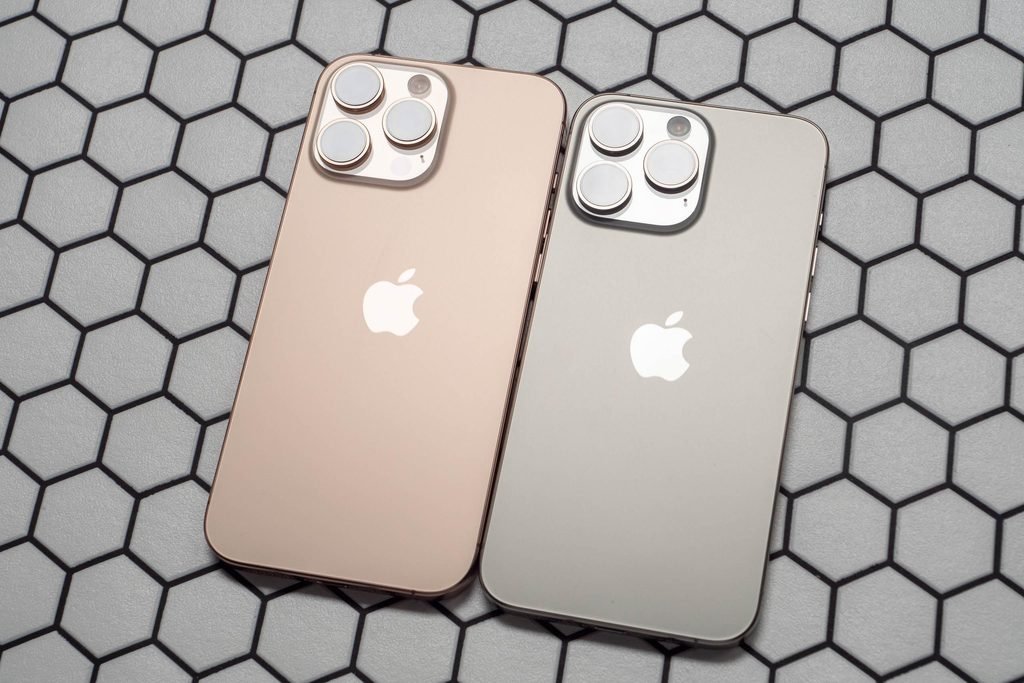
Every year, smartphone brands launch new devices promising incredible improvements.
You’ll hear about revolutionary cameras, lightning-fast processors, smarter AI assistants, and displays that supposedly transform the way you use your phone.
Naturally, it’s tempting to assume the newest model must be the best choice.
But here’s the reality: newer doesn’t always mean better value for money.
Smartphone technology has matured considerably. While manufacturers continue improving their devices, many year-on-year changes are relatively modest for everyday users.
If your current phone already takes excellent photos, runs your favourite apps smoothly, and lasts all day, you might not notice a dramatic difference after upgrading.
Why previous-generation flagship phones can be better value
Imagine choosing between a brand-new mid-range smartphone and a discounted flagship from the previous year.
Depending on the models, the older flagship could offer:
- Better camera sensors and optical zoom capabilities.
- Premium materials and stronger water resistance.
- Wireless charging and additional connectivity features.
- A brighter, higher-quality display.
- More powerful processors and improved video recording.
Of course, older flagships aren’t automatically superior. A newer mid-range phone might offer longer remaining software support, better battery endurance, or a fresh battery.
The important thing is to compare actual features rather than release dates.
What should you compare before upgrading?
Look at the camera improvements, battery performance, display quality, remaining software support, and features you’ll genuinely use.
If the newer phone costs £250 more but only offers minor improvements to activities you rarely perform, keeping that money in your pocket could be the better decision.
Smart Buying Tip: Compare at least two generations of smartphones before buying. Don’t forget refurbished or manufacturer-certified devices from reputable UK retailers.
2. Ignoring Software Updates and Security Support.
When shopping for a smartphone, most people focus on the camera, battery, and design.
But there’s another feature that deserves just as much attention: long-term software support.
Your smartphone holds an enormous amount of personal information, including banking apps, passwords, photographs, messages, and payment details.
Regular security updates help protect your device against newly discovered vulnerabilities, while operating system updates can introduce new functionality and compatibility improvements.
How long should a smartphone receive updates?
Software support varies between manufacturers and models.
For example, Samsung’s Galaxy S24 series and Google’s Pixel 8 series introduced policies offering seven years of supported updates, subject to their respective terms.
However, not every Android smartphone offers the same commitment.
Apple also supports many iPhones for several years, although buyers should check the official support information for their specific model.
An important detail is that the update period may begin when a device launches, not when you purchase it.
Suppose a smartphone launched in 2024 with seven years of support. Buying that device in late 2026 doesn’t necessarily give you another seven years.
Its remaining support period is shorter.
Security updates vs Android or iOS upgrades:
These are related but different.
Operating system upgrades introduce new versions of Android or iOS, often bringing interface changes, new features, and additional capabilities.
Security updates address vulnerabilities and help protect the device against security threats.
Some manufacturers provide security patches for longer than they offer major operating system upgrades.
Before buying, check both commitments.
Smart Buying Tip: Visit the manufacturer’s official website and check the expected final support date for the exact model you’re considering.
If you’re planning to keep your phone for five years, buying one with only two years of security support remaining may prove a false economy.
3. Falling for the Smartphone Megapixel Marketing Trap.
Imagine comparing two smartphones.
One advertises a massive 200MP camera. The other features a 48MP main camera.
Which one takes better photographs?
It’s tempting to choose the phone with more megapixels, but that would be a mistake.
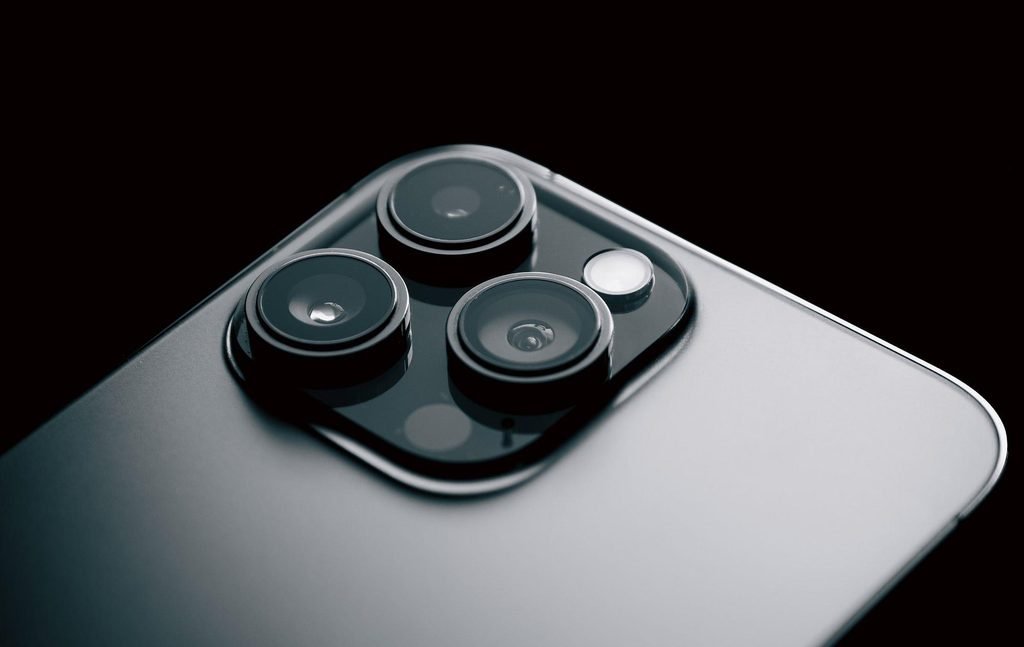
Megapixels measure image resolution, not overall photographic quality.
A high-resolution camera can capture more detail in suitable conditions, but image quality depends on several additional factors.
What actually makes a good smartphone camera?
Sensor size plays an important role because larger sensors can often collect more light, improving performance in challenging conditions.
Lens quality affects sharpness, distortion, and how effectively light reaches the sensor.
Optical image stabilisation (OIS) helps reduce blur caused by small movements, particularly in low-light photography.
Image processing influences colours, contrast, skin tones, dynamic range, and noise reduction.
And finally, software determines how successfully these elements work together.
A phone with a lower-resolution sensor and excellent processing can sometimes outperform one with a much higher megapixel count.
Don’t be fooled by multiple camera lenses:
Some smartphones advertise three or four rear cameras.
However, not every additional camera offers a meaningful advantage.
A useful telephoto camera with optical zoom can make a substantial difference when photographing distant subjects.
An ultrawide camera can be excellent for landscapes and group photographs.
But low-resolution macro or depth cameras may contribute little to your everyday photography.
Instead of counting lenses, investigate what each camera actually does.
Buying a smartphone for YouTube, TikTok, or Instagram?
If you regularly create videos, pay particular attention to:
- Video stabilisation when walking.
- Reliable autofocus and subject tracking.
- Front-camera recording quality.
- Microphone performance.
- Low-light video recording.
- Consistent colour and exposure across lenses.
These features can be more valuable than an enormous megapixel figure.
Smart Buying Tip: Watch independent camera comparisons and examine real photographs and videos taken in daylight, indoors, and at night.
4. Choosing the Wrong Smartphone Storage Capacity.
Few smartphone problems are more frustrating than constantly receiving a “Storage Almost Full” warning.
You might buy a phone with 128GB of storage because it’s the cheapest option, only to discover that your apps, photographs, videos, and downloads are consuming space faster than expected.
Modern smartphones can record high-resolution videos, run increasingly large games, and store substantial amounts of offline content.
And unlike many older Android phones, numerous current models don’t offer microSD card expansion.
That means choosing the wrong storage capacity could become a long-term inconvenience.
How much smartphone storage do you really need in 2026?
| Storage | Best suited for |
|---|---|
| 128GB | Light users, messaging, browsing, streaming, limited local media |
| 256GB | Most regular users, frequent photos, apps, and occasional 4K video |
| 512GB | Content creators, large games, frequent high-resolution recording |
| 1TB | Heavy video production, extensive offline media, professional workflows |
These are practical guidelines rather than strict rules.
A 128GB phone may be perfectly adequate if you regularly back up photos and avoid storing large videos.
Meanwhile, someone filming daily 4K content might fill 256GB surprisingly quickly.
Don’t forget cloud storage costs:
Cloud services such as iCloud and Google One can help manage photographs, documents, and backups.
However, additional storage may require an ongoing subscription.
And cloud storage isn’t always a complete replacement for internal storage. Applications, downloaded games, and certain video workflows still require local space.
Before paying extra for more built-in storage, compare the upgrade price against your likely cloud storage costs over several years.
Smart Buying Tip: Check your current phone’s storage usage under Settings before upgrading. If you’re already using 110GB of a 128GB device, choosing 256GB for your next phone may be sensible.
5. Judging Smartphone Battery Life by mAh Alone.
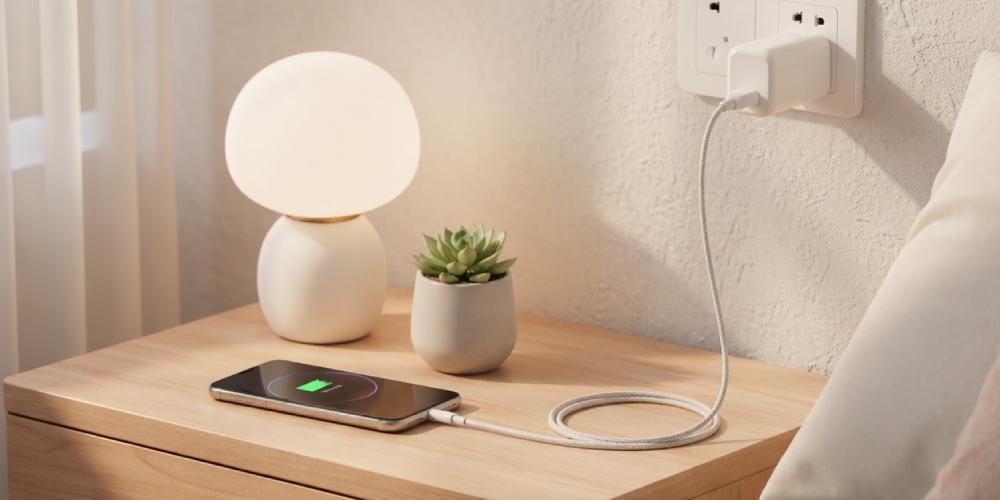
Battery life is one of the most important factors when choosing a smartphone.
Nobody wants to carry a charger everywhere or worry about their phone dying during a long journey.
But here’s a common misconception.
A smartphone with a 6,000mAh battery doesn’t automatically last longer than one with a 5,000mAh battery.
Battery capacity is important, but it’s only part of the equation.
What affects smartphone battery life?
Several factors influence how much power your phone consumes.
Processor efficiency: Some processors complete tasks while consuming less energy.
Display technology: Screen size, resolution, brightness, and refresh rate can significantly influence battery consumption.
Software optimisation: Well-designed software can reduce unnecessary background activity.
Mobile signal strength: Poor network coverage can increase power consumption as the phone works harder to maintain connectivity.
Your daily habits: Gaming, navigation, video recording, and mobile hotspot usage can drain a battery much faster than reading messages.
This explains why two smartphones with similar battery capacities can deliver noticeably different real-world endurance.
What about fast charging?
Fast charging is convenient, especially when you only have a short time to recharge.
However, advertised charging speeds can be misleading if you don’t understand the conditions.
For example, a phone advertising 80W charging may require a compatible charger and cable to achieve its maximum supported speed.
The charger might also be sold separately.
Additionally, charging speed usually slows as the battery approaches full capacity.
Wireless charging, reverse wireless charging, and battery health management are worth considering depending on your needs.
Smart Buying Tip: Prioritise independent battery tests that reflect your daily activities, rather than relying exclusively on battery capacity or advertised charging speeds.
6. Paying for Smartphone Performance You Don’t Actually Need.
Smartphone manufacturers love highlighting processor improvements.
You’ll frequently see advertisements promoting faster CPU speeds, improved graphics performance, advanced neural processing, and impressive benchmark results.
These improvements can be valuable.
But do you actually need the most powerful smartphone processor available?
For many people, the answer is no.
Everyday users vs power users:
If your typical smartphone activities include WhatsApp, social media, YouTube, online shopping, video calls, emails, and occasional photographs, a capable mid-range processor can provide a smooth experience.
You probably won’t notice a substantial difference between a good mid-range device and an expensive flagship during basic tasks.
However, extra processing power becomes more relevant if you regularly:
- Play graphically demanding mobile games.
- Edit high-resolution videos.
- Run resource-intensive applications.
- Work with large creative projects.
- Use advanced on-device AI functions.
Why benchmark scores don’t tell the whole story:
Benchmark tests measure specific aspects of performance under controlled conditions.
They’re useful for comparisons, but they don’t always reflect everyday experience.
A smartphone might achieve an excellent benchmark score during a short test, then reduce performance during extended gaming to control heat.
This behaviour is known as thermal throttling.
Long-term responsiveness also depends on storage speed, memory management, software quality, and app optimisation.
Smart Buying Tip: Compare real-world performance reviews, gaming endurance, and long-term user experiences rather than choosing a phone solely because it has the highest benchmark score.
7. Ignoring Smartphone Display Quality and Comfort.
Your smartphone screen is probably the component you interact with more than anything else.
You use it to read messages, watch videos, browse websites, navigate maps, and work on documents.
Yet buyers often overlook display quality while concentrating on cameras and processors.
A high-quality smartphone display can make everyday use noticeably more enjoyable.
What makes a good smartphone screen?
Brightness: A bright screen is particularly useful when using your phone outdoors in strong sunlight.
Refresh rate: A 120Hz display can make scrolling and animations feel smoother than a 60Hz display, although the difference varies by user and application.
Colour accuracy: Accurate colours are important for photography, video editing, and natural-looking content.
Contrast: OLED displays can deliver deep blacks and excellent contrast.
Viewing angles: A good display remains readable and consistent when viewed from different positions.
Eye comfort: Some users experience discomfort from certain display flickering or brightness-control methods.
Is a bigger smartphone always better?
Not necessarily.
Large displays are excellent for watching videos, reading documents, and multitasking.
But they can make smartphones heavier and more difficult to operate with one hand.
A compact phone might be more comfortable for commuting, travelling, and everyday use.
You should also consider the device’s weight, width, thickness, and button placement.
Smart Buying Tip: Visit a retailer and physically try the smartphone whenever possible. Hold it naturally, type a message, and check whether the screen remains comfortable to use.
A premium display isn’t worth much if you dislike holding the phone.
8. Paying Extra for AI Features You’ll Rarely Use.
Artificial intelligence has become one of the biggest selling points in modern smartphones.
Manufacturers promote AI-assisted photography, automatic translation, intelligent writing tools, photo editing, voice assistants, and productivity features.
Some of these capabilities are genuinely impressive.
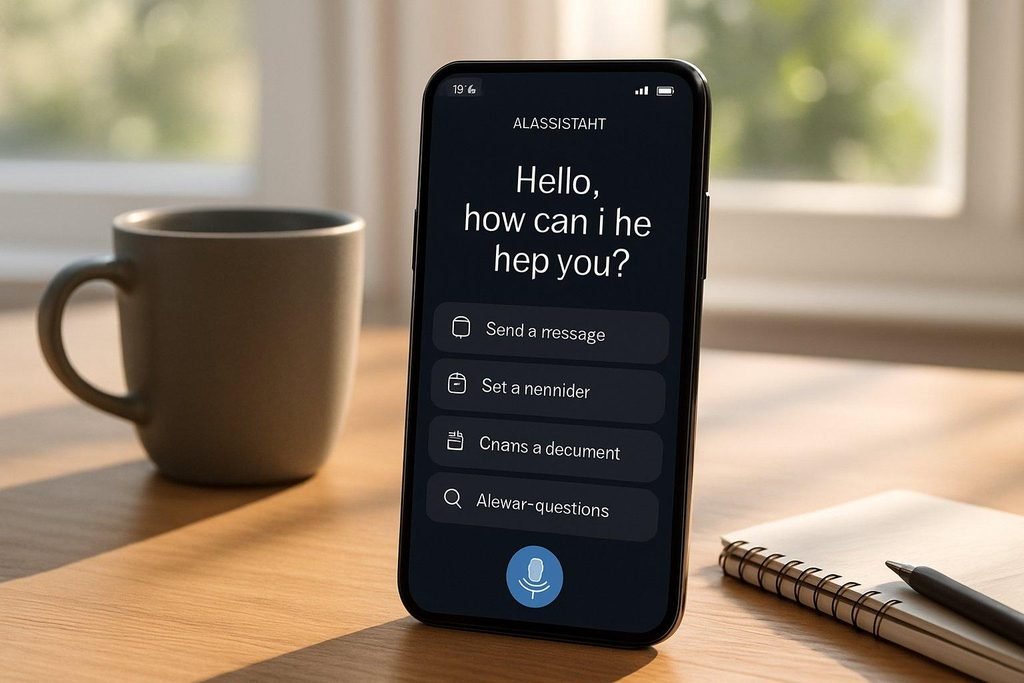
For example, AI tools may help summarise notes, transcribe conversations, remove unwanted objects from photographs, or translate text.
However, not every AI feature justifies paying hundreds of pounds more.
Three things to check before paying for smartphone AI:
First, ask whether you’ll actually use the advertised features.
An AI photo editing tool might be valuable if you regularly create social media content, but less useful if you mainly use your phone for messaging.
Second, investigate regional and language availability.
Certain AI functions may be restricted to particular countries, languages, or supported devices.
Third, check whether the feature requires a subscription.
Some advanced services may be free initially but later involve paid plans, usage limits, or eligibility requirements.
On-device AI vs cloud-based AI:
Another consideration is where AI processing takes place.
Some features run directly on the smartphone, potentially offering faster responses, offline functionality, and additional privacy benefits.
Others require internet connectivity because processing happens on remote servers.
Neither approach is automatically better in every situation.
The important thing is understanding what the phone can actually do under your normal conditions.
Smart Buying Tip: Choose a smartphone based on proven essentials such as battery life, camera performance, display quality, and software support. Treat AI features as an added benefit unless they’re central to your work.
9. Forgetting About Repair Costs and Long-Term Ownership.
When comparing smartphones, it’s easy to focus entirely on the advertised price.
But the purchase price is only the beginning.
Over several years, you might also pay for protective accessories, charging equipment, battery replacement, screen repairs, insurance, and storage subscriptions.
These costs can add up.
The hidden cost of smartphone repairs:
Imagine buying a premium smartphone with an expensive curved display.
A few months later, it falls onto a hard surface and the screen cracks.
Depending on the model and repair provider, replacing the display could be expensive.
Similarly, after several years of use, battery health naturally declines.
A reasonably priced battery replacement could extend your phone’s useful life, but repair costs and service availability vary considerably.
Before purchasing, investigate:
- Screen replacement prices.
- Battery replacement costs.
- Availability of genuine parts.
- Manufacturer-authorised repair options.
- Warranty coverage and exclusions.
- Local repair service availability.
Should you consider refurbished smartphones?
Refurbished devices can be an excellent way to save money, especially when purchasing a previous-generation flagship.
However, condition and quality can vary between sellers.
Look for clear information about battery health, cosmetic condition, warranty, return rights, and whether the phone is network-locked.
In the UK, buying from an established business also gives you statutory consumer protections, although the details depend on the purchase and circumstances.
Don’t assume that every refurbished phone has a new battery or original manufacturer parts.
Think about the total cost of ownership:
A £500 smartphone that remains reliable for five years may offer better value than a £350 model that needs replacing after two years.
Equally, a £1,000 flagship isn’t automatically worth the extra expense simply because it feels more premium.
Smart Buying Tip: Estimate how much the smartphone will cost to own over your intended period of use, including likely repairs and accessories.
10. Looking Only at Monthly Payments Instead of the Total Smartphone Contract Cost.
This is one of the easiest smartphone buying mistakes to make, particularly in the UK.
Mobile networks frequently advertise premium smartphones with manageable monthly payments.
You might see a new phone available for £45 per month and think it sounds affordable.
But how much will you actually pay over the entire contract?
Let’s compare two illustrative options.
Smartphone contract vs buying outright
Contract total
£1,620
Outright + SIM-only
£1,110
POTENTIAL SAVING
£510
By purchasing the phone outright with a SIM-only plan.
Try your own figuresContract per month (£)Contract length
36 monthsHandset outright (£)SIM-only per month (£)
Illustrative calculation, excluding upfront charges, annual price increases, optional extras and changes in tariff prices.
Using the original example, a £45 monthly contract over 36 months costs £1,620.
Buying a £750 smartphone outright and pairing it with a £10 monthly SIM-only plan would cost £1,110 over the same period.
That’s a potential saving of £510.
Of course, this doesn’t mean buying outright is always cheaper.
Some contracts offer competitive handset discounts, valuable inclusive services, or interest-free financing.
The key is to compare like-for-like packages.
Hidden smartphone contract costs to watch for
When reviewing a mobile contract, pay attention to annual price increases, upfront payments, data allowances, roaming charges, early termination fees, and additional services.
Also check whether the phone and airtime are covered by separate agreements.
In the UK, providers are subject to rules on how contractual price increases must be communicated, but the specific terms of your agreement still matter.
Should you buy a phone outright or on contract?
Buying outright may offer greater flexibility because you can choose a separate SIM-only plan and switch providers more easily.
A contract can make a costly handset more accessible by spreading payments over time.
Neither approach is universally better.
What matters is calculating the total cost over the same number of months, including equivalent data allowances and services.
Smart Buying Tip: Never judge a smartphone deal solely by its monthly payment. Calculate the full contract cost before signing.
The Ultimate Smartphone Buying Checklist for 2026:
Before spending your hard-earned money on a new smartphone, work through this simple checklist.
☐ Set a realistic budget, including accessories and monthly charges.
☐ Choose your three most important features.
☐ Check the manufacturer’s remaining software support period.
☐ Compare the latest phone with an older flagship and a mid-range model.
☐ Read independent camera and battery reviews.
☐ Check your current storage usage and future requirements.
☐ Try the display, size and weight in person where possible.
☐ Check AI feature availability, limitations and potential fees.
☐ Research repair costs, warranty and seller reputation.
☐ Compare the complete contract cost against buying outright.
Buying a new smartphone in 2026 doesn’t have to be confusing or unnecessarily expensive. The most important lesson from these 10 smartphone buying mistakes is simple: the best smartphone isn’t necessarily the newest, fastest, or most expensive — it’s the one that fits your needs, lifestyle, and budget. Before upgrading, compare different generations, investigate software support, look beyond impressive camera specifications, choose sufficient storage, and research real-world battery performance. Don’t let AI marketing or benchmark scores convince you to pay for features you’ll never use. Most importantly, consider the long-term cost of ownership and calculate the total price of any smartphone contract before committing. A reliable £400 phone that does everything you need can be a much smarter investment than a £1,200 flagship filled with unnecessary extras. At LinkSync, we believe technology should make your life easier without putting unnecessary pressure on your finances. Choose carefully, compare intelligently, and buy smarter — not simply more expensive.


Frequently Asked Questions About Buying a Smartphone in 2026
Yes, if you genuinely benefit from its premium features. Flagship smartphones often provide advanced camera systems, powerful processors, excellent displays, and additional capabilities. However, if you mainly browse, message, stream, and take occasional photographs, a good mid-range smartphone may offer better value.
128GB can still be sufficient for light users who primarily browse, stream, and store relatively few large files. However, 256GB is often a more comfortable option for people who take many photographs, record 4K videos, download games, or keep their phones for several years.
Both can be excellent choices. A previous-generation flagship may offer superior camera hardware, premium materials, and stronger performance. A newer mid-range phone may provide better battery endurance, longer remaining software support, and a lower purchase price. Compare specific models rather than assuming one category is always better.
A well-maintained smartphone can remain useful for several years, depending on battery condition, software support, hardware reliability, and individual requirements. Choosing a device with long-term security updates and accessible battery replacement can help extend its practical lifespan.
Not necessarily. Camera quality depends on sensor performance, lens quality, image processing, stabilisation, and lighting conditions. A 50MP camera can produce better results than a 200MP camera in some situations.
For many users, yes, but actual endurance varies significantly. Processor efficiency, display brightness, network conditions, and usage habits all influence battery life. Independent real-world battery testing provides a better indication than capacity alone.
Compare the full cost of both options over the same period. Buying outright with a SIM-only plan can be cheaper, but certain contracts offer competitive discounts or convenient financing. Consider upfront affordability, total payments, price increases, and flexibility before deciding.
Refurbished smartphones can offer excellent value, particularly when purchasing older flagship models. Choose a reputable retailer, check the warranty and return policy, confirm battery condition, and verify that the phone will continue receiving security updates.
One of the biggest mistakes is choosing a phone based on marketing rather than personal needs. Whether it’s paying extra for unused AI features, choosing insufficient storage, or overlooking the total cost of a contract, the consequences can be expensive.

